

Cardio Workouts You Can Do Without Running For Effective Fat Burning and Fitness
Running is often seen as the go-to cardio workout, but many effective options do not require pounding the pavement. Individuals can boost their heart rate and burn calories through low-impact exercises that avoid the stress running can place on joints.
Cardio workouts like cycling, jump rope, brisk walking, and swimming provide excellent cardiovascular benefits without running. These alternatives suit various fitness levels and preferences while still improving endurance and overall heart health.
Exploring different forms of cardio can help maintain motivation and reduce injury risk. By choosing activities tailored to personal needs, anyone can achieve a strong cardio routine without relying on running.
Why Choose Cardio Workouts Without Running?
Cardiovascular exercise can strengthen the heart and improve endurance without the need for running. Alternative cardio methods offer effective ways to elevate heart rate while reducing physical strain. These approaches also support joint health and injury management.
Benefits of Cardiovascular Exercise Beyond Running
Cardiovascular exercise increases heart rate, delivering oxygen-rich blood throughout the body. Activities other than running, such as cycling or swimming, engage different muscle groups. This variety helps improve overall endurance and cardiovascular system function.
Non-running cardio workouts can be tailored to individual fitness levels. Low-impact exercises can still challenge the heart and lungs effectively. They also provide options for those who dislike running or find it monotonous.
By varying cardio routines, people are less likely to plateau in fitness gains. Mixing activities stimulates different energy systems and reduces repetitive strain on specific muscles.
Reducing High-Impact Stress on Joints
High-impact exercise, like running, places significant stress on joints such as knees, hips, and ankles. This can lead to wear and tear or aggravate existing conditions like arthritis.
Low-impact cardio alternatives produce less ground reaction force. Swimming, elliptical training, and cycling protect weight-bearing joints from excessive impact.
Reducing impact lowers injury risk while maintaining cardiovascular benefits. It supports long-term joint health and functional mobility, especially for older adults or those with joint sensitivities.
Cardio for Injury Recovery and Prevention
Cardiovascular workouts without running are ideal during injury recovery phases. They help maintain heart and lung fitness without stressing injured tissues.
For example, water-based aerobic exercise reduces weight on injured legs while promoting blood circulation. Elliptical trainers provide smooth, controlled motion with minimal joint jarring.
Incorporating low-impact cardio can also prevent injuries by strengthening muscles and improving joint stability. It allows consistent cardiovascular training while mitigating risks associated with high-impact exercise.
Popular Non-Running Cardio Workouts
Cardio workouts without running often combine sustained effort with varying intensity to improve heart health and burn calories. Several options offer different benefits, from low impact to full-body engagement. These exercises accommodate various fitness levels and preferences.
Walking for Heart Health and Endurance
Walking is a simple, accessible cardio workout that improves heart health by raising the heart rate steadily. It enhances endurance while placing minimal stress on joints. Walking at a brisk pace, ideally 3-4 miles per hour, can burn roughly 200-300 calories per hour, depending on body weight.
Incorporating hills or intervals increases intensity and calorie burn. Walking outdoors also benefits mental well-being due to exposure to nature. It requires no special equipment aside from good shoes and suits most fitness levels, making it an effective low-impact workout for cardiovascular improvement.
Rowing: Full-Body Cardio and Strength
Rowing machines provide a powerful cardio workout that engages both upper and lower body muscles. This full-body movement elevates heart rate efficiently while also building strength in the back, shoulders, legs, and core.
Sessions can be adjusted for intensity and duration, with intervals or steady-state rowing targeting different fitness goals. Rowing burns around 600-800 calories per hour, depending on effort. It is low-impact on joints and suitable for people recovering from injuries or seeking a varied cardio routine.
Swimming for Low-Impact Calorie Burn
Swimming provides a low-impact cardio workout ideal for those with joint issues. It engages multiple muscle groups simultaneously, improving cardiovascular fitness and muscular endurance.
Swimming intensity varies based on stroke and speed, but it can burn 400-700 calories per hour. It also promotes lung capacity and flexibility. Pools require access but offer a controlled environment free from weather limitations. Swimming suits individuals seeking high-calorie burn without high joint stress.
Biking Indoors and Outdoors
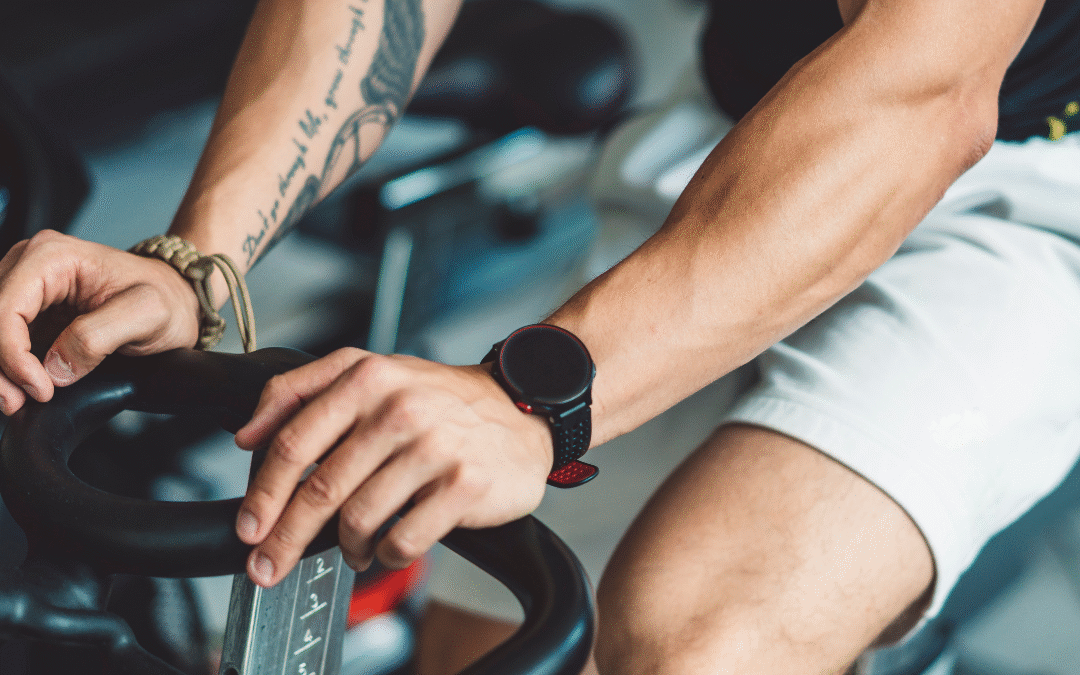
Biking is a versatile cardio workout that can be performed indoors on stationary bikes or outdoors on various terrains. It elevates heart rate while predominantly working lower body muscles such as quadriceps, hamstrings, and calves.
Calorie burn ranges from 400 to 1000 calories per hour, depending on speed and resistance. Indoor cycling classes often include interval training for enhanced cardio benefit. Outdoor biking offers the added challenge of changing terrain and fresh air. It’s low-impact, making it accessible for different fitness levels and ages.
| Workout | Calorie Burn (per hour) | Impact Level | Primary Benefits |
| Walking | 200-300 | Low | Heart health, endurance |
| Rowing | 600-800 | Low | Full-body strength, cardio |
| Swimming | 400-700 | Low | Low joint stress, endurance |
| Biking | 400-1000 | Low | Lower body strength, cardio |
Effective Cardio Exercises at Home or the Gym
These exercises combine cardiovascular benefits with strength and coordination, suitable for various fitness levels. Equipment needs are minimal, making them practical for both gym and home settings.
Jump Rope for High-Intensity Cardio
Jump rope is a versatile and efficient way to increase heart rate quickly. It improves coordination, foot speed, and endurance while burning calories fast.
A basic routine can last from 1 to 5 minutes per set, repeated multiple times. Variations like high knees or double unders add intensity and target different muscles. A quality jump rope is lightweight and adjustable.
Jump rope sessions can be easily adapted for beginners or advanced users. This exercise also helps develop lower leg strength and enhances aerobic capacity.
Boxing Workouts for Stamina and Power
Boxing workouts blend fast-paced punches with footwork drills to elevate cardiovascular fitness. They boost endurance, power, and overall muscular strength.
Typical sessions include shadow boxing, heavy bag work, and pad drills. These exercises engage the arms, shoulders, core, and legs continuously, promoting fat loss and muscle tone.
Boxing also improves mental focus and reaction time. It is suitable for anyone looking to combine cardio with strength-building in one dynamic workout.
Bodyweight Cardio: Squats, Lunges, and More
Bodyweight cardio exercises use movements like squats and lunges to raise heart rate while building muscle. They require no equipment and can be easily done anywhere.
Squats and lunges target the lower body, strengthening glutes, quads, and hamstrings alongside cardiovascular benefits. Adding jumping or fast-paced sets increases intensity.
Other effective movements include mountain climbers, burpees, and jumping jacks. These exercises enhance endurance, muscle tone, and joint mobility simultaneously.
Dancing as a Fun Cardio Alternative
Dancing offers a cardiovascular workout that improves rhythm, coordination, and mood. It can be tailored to any style or intensity.
Continuous movement raises heart rate and burns calories without requiring special equipment. Styles like hip-hop, salsa, or Zumba combine fun with effective cardio.
Dancing also builds lower-body strength and flexibility. It encourages consistency by making exercise enjoyable and socially engaging.
Maximising Results from Non-Running Cardio
To get the most from cardio workouts without running, attention must be given to pacing, intensity, and complementary exercises. Focus on tracking physiological responses, enhancing physical capacity, and combining workouts to improve overall fitness.
Monitoring Heart Rate for Optimal Training
Tracking heart rate is crucial for effective non-running cardio. It helps maintain effort within target zones, ensuring workouts are challenging but safe. The common zones are:
| Zone | Percentage of Max Heart Rate | Effect |
| Moderate | 50-70% | Builds endurance |
| Vigorous | 70-85% | Improves the cardiovascular system |
| Anaerobic | 85-95% | Increases strength and speed |
Wearable devices or manual pulse checks aid real-time monitoring. Staying within moderate to vigorous zones ensures energy is used efficiently without overexertion.
Improving Endurance and Strength
Non-running cardio can build endurance and strength simultaneously. Activities like cycling, rowing, and swimming increase cardiovascular fitness while engaging multiple muscle groups.
Progressive overload, such as increasing resistance or duration, is essential. It gradually challenges muscles and the cardiovascular system. Consistency in training allows the body to adapt, improving stamina and muscular endurance over time.
Blending Cardio with Resistance Training
Combining cardio with resistance exercises accelerates fitness gains. Circuit training or bodyweight workouts strengthen muscles while raising the heart rate. This approach enhances cardiovascular health and muscular development.
Including exercises like squats, lunges, or push-ups alongside cardio optimises time and results. It improves metabolic rate and supports clean, functional movement patterns, reducing injury risk while building a balanced physique.
