
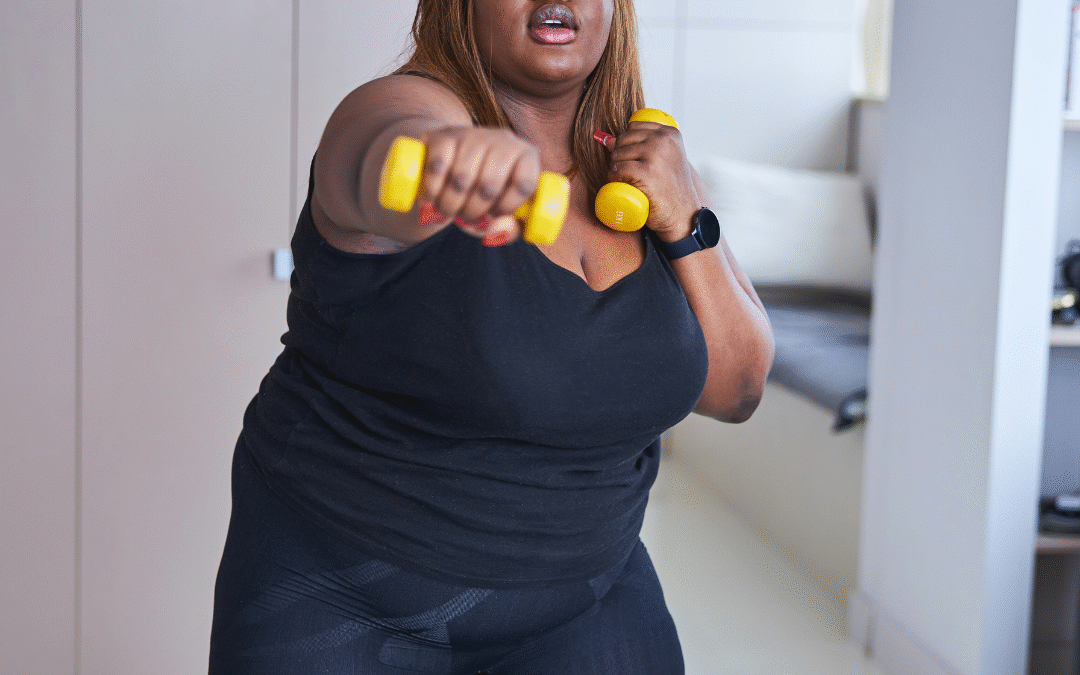

Home Workout Tips for Weight Loss: Effective Strategies to Shed Pounds at Home
Home workouts have gained popularity for those looking to lose weight while maintaining flexibility in their schedules. With the right approach, effective workouts can easily be integrated into daily routines without the need for expensive gym memberships or equipment. Incorporating a mix of cardio and strength training exercises, along with proper nutrition, can significantly enhance weight loss efforts at home.
Creating a dedicated workout space can help motivate individuals to stick to their routines. Simple tools like resistance bands and dumbbells can elevate home workouts, making them more effective. Additionally, setting specific goals and tracking progress keeps the journey engaging and provides a sense of accomplishment.
Consistency is key to achieving long-term weight loss results. By establishing a regular workout routine and pairing it with healthy eating habits, individuals can see real changes over time. Emphasising commitment to both exercise and nutrition can lead to sustainable weight loss and improved overall health.
While exercise and nutrition form the core of at-home programmes, some people also benefit from structured medical support to break plateaus or address health factors that affect progress. Pharmacy-backed services can offer personalised assessments, BMI tools, and data-driven plans that complement a home routine without replacing it.
For readers exploring clinically supervised adjuncts, a reputable weight loss pharmacy can provide pharmacist-led guidance on treatments, monitoring, and practical adjustments so exercise and medical care work together. Integrating this kind of expert input helps maintain safety and continuity as you progress toward long-term goals.
Key Components of Effective Home Workouts for Weight Loss
Effective home workouts for weight loss incorporate various types of exercises tailored to individual fitness levels and structured into a consistent routine. By understanding the key components, individuals can optimise their physical activity to achieve their weight loss goals.
Understanding Different Types of Exercise
Home workouts can be broadly categorised into three types: aerobic (cardio), strength training, and flexibility exercises.
- Aerobic Exercises: Activities like jumping jacks, running on the spot, or cycling promote calorie burning and improve cardiovascular health. These should be performed for at least 150 minutes a week.
- Strength Training: Bodyweight exercises, such as push-ups, squats, and lunges, build muscle mass, which can enhance metabolism. Incorporating resistance bands or household items can add variety and challenge.
- Flexibility Exercises: Stretching and yoga improve range of motion and help prevent injuries. They are essential for recovery and can enhance performance in other workout types.
Setting Up a Successful Home Workout Routine
Creating a structured home workout routine is crucial for consistency and effectiveness.
- Schedule Workouts: Designate specific days and times for exercise to build a habit.
- Duration and Intensity: Workouts should range from 30 to 60 minutes, varying intensity based on fitness level. Alternating high-intensity intervals with rest can increase calorie burn.
- Environment: Choose a space free from distractions, equipped with the necessary equipment.
- Goal Setting: Set clear, achievable goals, like losing a certain number of pounds or completing a set number of workouts weekly. Tracking progress keeps motivation high.
Adapting Workouts to Your Fitness Level
Customising workouts to individual fitness levels ensures safety and effectiveness.
- Beginners: Start with low-intensity exercises, focusing on form and gradually increasing workout duration, aiming for two to three times per week.
- Intermediate: Incorporate moderate-intensity sessions, mixing cardio, strength, and flexibility exercises. Progress can include adding weight or increasing reps.
- Advanced: Implement high-intensity training and complex movements that challenge strength and endurance. Advanced routines may include circuit training or HIIT (High-Intensity Interval Training).
Adapting workouts guarantees that individuals stay engaged and continue to make progress towards their weight loss goals.
Best Home Exercises for Fat Loss and Fitness
This section highlights effective exercises that promote fat loss and enhance overall fitness. The focus will be on bodyweight movements, cardio routines, strength training methods, and the use of equipment like resistance bands and dumbbells.
Bodyweight Exercises for Burning Fat
Bodyweight exercises are accessible and effective for burning fat without any equipment. Key movements include squats, lunges, and planks.
- Squats engage multiple muscle groups, particularly the legs and core, making them ideal for fat loss.
- Lunges help develop balance and coordination while targeting the thighs and glutes.
- Planks strengthen the core and improve overall stability.
Incorporating jumping jacks and high knees elevates the heart rate, further enhancing fat burning during workouts. These exercises can be performed in circuits to maximise calorie expenditure.
Cardio Workouts to Boost Heart Rate
Cardio workouts are essential for increasing heart rate and improving cardiovascular health. Simple home-based activities such as jumping rope or shadow boxing can yield significant benefits.
High-intensity interval training (HIIT) is particularly effective. It alternates short bursts of intense exercise with brief recovery periods. This approach keeps the heart rate elevated, promoting fat loss.
Exercises like burpees or high knees can be combined with rest intervals to create an efficient fat-burning routine. Additionally, digital platforms often provide guided sessions for varied cardio workouts.
Incorporating Strength Training at Home
Strength training is vital for building muscle, which in turn aids in fat loss through increased metabolic rate.
Using bodyweight exercises, resistance bands, or dumbbells, individuals can effectively build strength at home.
For example, basic lifts such as overhead presses or bent-over rows can be performed with dumbbells. Resistance bands are excellent for providing tension and are versatile for various exercises, including bicep curls and tricep extensions.
A balanced routine should include strength training 2-3 times a week to maximise fat loss and improve muscle tone.
Using Equipment: Resistance Bands and Dumbbells
Incorporating equipment like resistance bands and dumbbells enhances workout effectiveness.
Resistance Bands are portable and versatile, allowing for a range of exercises that can target specific muscle groups. They can easily be adjusted for various resistance levels, making them suitable for any fitness level.
Dumbbells provide a way to increase resistance for exercises like lunges and squats. By lifting weights, individuals can challenge their muscles and promote hypertrophy, which is beneficial for fat loss.
For optimal results, a combination of equipment and bodyweight exercises should be included in regular workouts to maintain variety and engagement.
Supporting Your Weight Loss Journey at Home
Achieving weight loss at home requires a multifaceted approach that encompasses nutrition, sleep, recovery, balance, and motivation. Focusing on these areas will provide a robust framework for success.
Nutrition for Sustainable Fat Loss
Nutrition forms the foundation of any effective weight loss strategy. Consuming a diet rich in whole foods, including fruits, vegetables, lean proteins, and whole grains, supports metabolism and promotes fat loss.
A sample meal plan can include:
- Breakfast: Oatmeal topped with berries and a spoonful of almond butter.
- Lunch: Grilled chicken salad with mixed greens, cherry tomatoes, and a light vinaigrette.
- Dinner: Baked salmon with quinoa and steamed broccoli.
- Snacks: Greek yoghurt and a handful of nuts.
Maintaining portion control and staying hydrated are equally essential. Drinking water can help manage hunger and support metabolic processes.
Importance of Sleep and Recovery
Adequate sleep and recovery are crucial for effective weight loss. Sleep deprivation affects hormones that regulate appetite, often leading to increased cravings. Aim for 7 to 9 hours of quality sleep each night.
Incorporating rest days into a workout routine is equally important. Recovery allows muscles to repair and grow, helping improve overall fitness and maintain motivation. Techniques such as stretching or yoga can enhance flexibility and reduce injury risk, supporting a balanced approach to fitness.
Maintaining Balance and Flexibility
Balancing various aspects of life while pursuing weight loss can prevent burnout. Engaging in activities that promote flexibility and relaxation, such as yoga or Pilates, can be beneficial.
These forms of exercise not only improve physical flexibility but also mental resilience. Setting realistic goals and allowing for the occasional treat can help sustain motivation. It is crucial to listen to the body and adjust routines as necessary, ensuring a personalised approach to fitness and health.
Consistency and Motivation Tips
Consistency is key to a successful weight loss journey. Establishing a regular workout schedule can help make exercising a habit. Setting specific, measurable goals can enhance motivation.
Utilising tools such as fitness apps or tracking journals can provide accountability. Additionally, finding support, whether through friends, family, or online communities, fosters a sense of belonging. Celebrating small victories along the way boosts morale and encourages perseverance throughout the process.
Adapting and Progressing Your Home Fitness Routine
To achieve sustainable weight loss and fitness, adapting and progressing the home workout routine is essential. This entails increasing workout intensity and diversifying exercises to maintain motivation and avoid plateaus.
Progressing Workouts Over Time
Progression is key for continued improvement. This can involve increasing the number of repetitions or sets, or incorporating higher resistance. For instance, if performing bodyweight exercises like push-ups, he or she might aim to increase their reps from 10 to 15.
Alternatively, adding light weights or resistance bands can enhance workouts. Tracking performance in a journal helps identify progress over time, allowing for adjustments based on capabilities. To prevent injuries, it’s crucial to increase intensity gradually, ensuring that the body has ample time to adapt.
Introducing Variety: Pilates, Yoga, and More
Incorporating different fitness styles, such as Pilates and yoga, can provide both physical and mental benefits. Pilates focuses on core strength and flexibility, enhancing muscle tone without excessive strain.
Yoga supports balance, flexibility, and mind-body connection. These disciplines complement traditional workouts, preventing boredom and targeting different muscle groups. Additionally, exploring activities like cycling or running can diversify cardio routines, offering new challenges and benefits for cardiovascular health.
Low-Impact Alternatives for All Abilities
Low-impact exercises are favourable for those with joint concerns or beginners. Options include swimming, cycling, and resistance training with light weights. These alternatives ensure safety while maintaining effectiveness in weight loss and muscle gain.
Resistance training, even with bodyweight, can help build muscle mass effectively. Choices like chair exercises or gentle Pilates routines accommodate various skill levels, making fitness accessible. Meticulously selecting activities according to ability ensures everyone can progress without discomfort or injury.
