
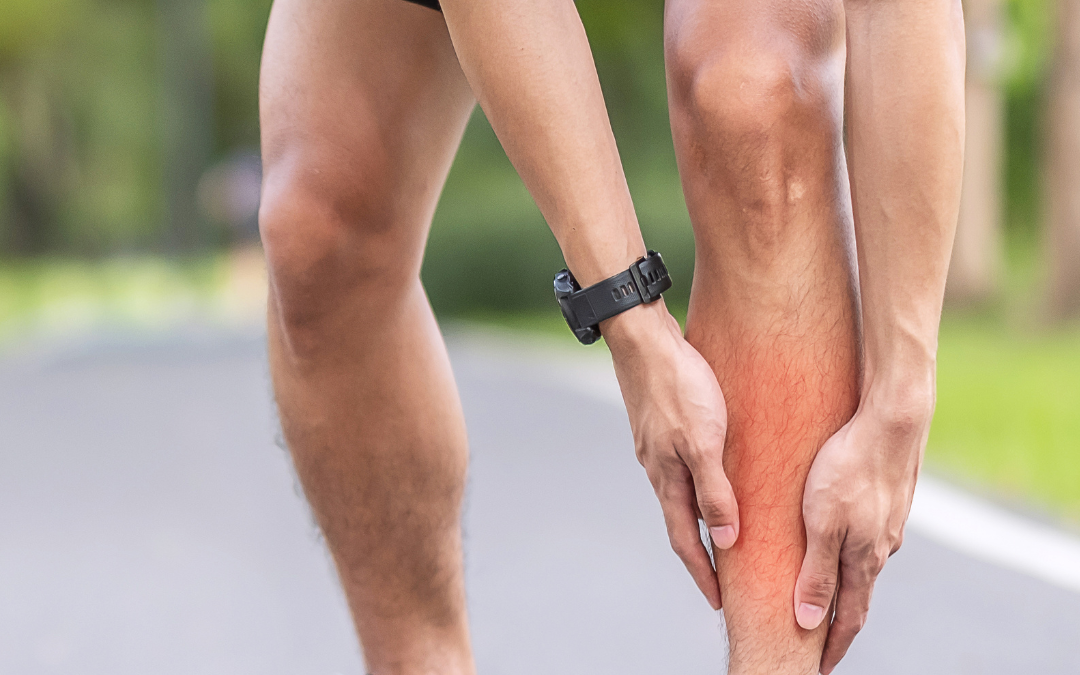

How To Look After Sports Injuries
Sports injuries are caused when a player or athlete suffers an injury while playing sports. An athlete sustaining an injury may result in serious health problems. Sports injuries may include broken bones, ligament tears, concussions, and dislocations. Sports injuries are a common injury type. The knee is the most commonly injured part of the musculoskeletal system, representing between 20% and 30% of injuries.
What To Do When You Have Sports Injuries?
You should always warm up correctly, listen to your body, and stop playing if you feel pain. Suppose your muscles are sore after participating in a sport. In that case, the best thing to do is rest, take a good ice bath, and ease back into activity, gradually increasing the intensity of your exercise. Never keep playing if you feel pain, as it could develop into an injury. Making sure that you have the right kit (and know how to use it) is paramount. Make sure to get the right kit by speaking to a professional first. You may need to visit an occupational therapist (click here for more infomation), so that you can be helped with your healing, especially if you are worried that it might have a knock-on effect in other areas.
For exercisers who experience a sports injury, it’s important to follow the advice given in this short guide. The advice includes:
- Suitable rest.
- Icing the affected area.
- Elevating it.
- Applying ice or heat compression.
A sports injury can severely affect your recovery time, so follow these tips to reduce your risk of developing a medical condition.
Here are thousands of injuries in an active life. Sports injuries are very common. Sports injuries could include accidental injuries, such as concussions, or injuries sustained while playing. Some of the most common sports injuries include ankle sprains, knee injuries, broken bones, muscle injuries, and twisted ankles. Sports injuries are common injuries. If you suffer any of these injuries, you should rest and perform exercises to strengthen the affected area. To make sure you reduce your risk of further injury, you should visit your doctor or sports injury specialist.
The Fastest Way to Recover from Sports Injuries
Proper recovery involves finding the right balance between rest, stretching, and vigorous activity. By giving the body time to rest and stretch after injury, athletes can return to the field or court with stronger muscles and less chance of re-injury. When athletes are unable to move, rest may be all they have. So, even if you are an athlete, take precautions to avoid re-injury.
The “most effective” way to recover from any injury is rest. But according to researcher Dr. Darren Borger, “…within the first 72 hours, muscles start losing much of their strength”. So even if you aren’t competing, moving your body any way you can is important. Borger recommends icing the affected area, elevating it, applying compression, and using pain medicines as necessary.
In addition to these methods, adding massage into your recovery routine can be beneficial as it can help in enhancing the healing process. This can help improve blood circulation by targeting specific muscle groups, which can reduce inflammation of the muscles. For those considering incorporating massage therapy, you can find licensed practitioners near you or by searching online “Sports Massage in Upper St. Clair, PA“, to find some relief and increase the recovery process.
How to Take Care of Yourself After the Injury?
The best thing you can do is consult a doctor, preferably a physiotherapist. Seek advice on proper care for the injury, how to rest it, what you can do to help it heal, and how long to expect it to take. Your doctor can give you instructions about what exercises to do and what to avoid, the diet to be followed, and prescribe further treatments or medications to use. That explained, if you’re looking to seek physiotherapy london or nearby, you may want to book a consultation with Ultra Sports(or any other clinic you’d like). A thorough consultation may give you more clarity on the state of your injury and the recovery process. Further, painkillers may be necessary, too, for pain, swelling, and bruising. Remember to avoid smoking or drinking alcoholic beverages.
It is important to rest, recover, and rehabilitate after an injury as the healing process takes time. During this recovery period, one must avoid strenuous activities as they may aggravate the injury further, and one must seek medical advice if necessary. It is also important to follow a healthy diet to improve one’s intake of nutrients and energy.
Sometimes, injuries may not only result in sprains or fractures, they may also affect one’s teeth leading to chipped, cracked teeth, or broken teeth in rare cases. For this purpose, one can get removable dentures which can replace the missing teeth. Additionally, one can also get Dental implants from a reputable treatment centre, that can serve as strong foundation for dentures, thereby restoring the functionality.
Important Reminder of an Injured Person:
When an injury happens, whether it is from sports, an accident, or a fall, it’s important to know what to do to help yourself get back on your feet:
- The medical team at the emergency room should be contacted
- You should see a physical therapist
- Once the injury has healed, it’s important to remember to be open to new activities
Pain from a minor sprained ankle can keep you on the couch, or injury from a major accident can keep you inactive for years. In either situation, physical therapy can help. Look to a care provider to help you get back on track!
It is especially important to take care of yourself after the injury. Eat food that can help heal or speed up the healing process. Exercise regularly; it would only take 30 minutes a day. Meditation may also be helpful; it may improve stress, anxiety, and blood pressure. Try to avoid people who could make your injury worse or make it worse.
It is important to keep in mind that, as painful as it can be, it is still important to continue exercising on a regular basis, as this will help keep the muscles loose and limber, as well as the joints moving properly. You must also continue to stretch, as this will help reduce swelling and alleviate any soreness.
